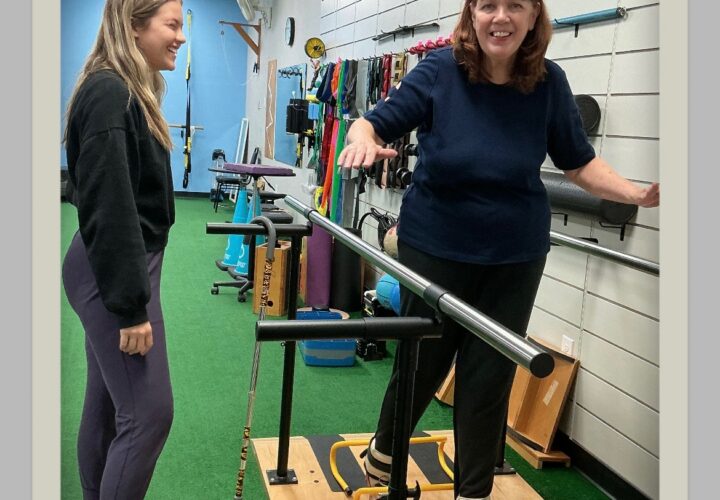
Movement is something most people rely on every day without thinking about it. Walking across a room, standing from a chair, climbing stairs, turning around, reaching for an object, or maintaining balance all require the brain, nerves, muscles, and joints to work together.
When a neurological condition affects that communication, everyday movement can become more difficult. A person may notice weakness, changes in walking, poor balance, slower movement, reduced coordination, increased fatigue, or difficulty completing tasks that once felt automatic. That is where neurological rehabilitation can help.
Neurological physical therapy focuses on helping people improve movement, strength, balance, coordination, walking, endurance, and functional independence. The goal is not simply to exercise. The goal is to understand what is limiting movement and create a personalized plan designed around the individual’s abilities, challenges, and goals.
At Hohman Rehab & Sports Therapy, our licensed physical therapists provide personalized, one-on-one care for people experiencing neurological movement and mobility challenges. We focus on helping each person move more confidently, stay as active as possible, and maintain greater independence in everyday life.
What Is Neurological Rehabilitation?
Neurological rehabilitation is specialized rehabilitation designed to help people whose movement, balance, coordination, strength, or function has been affected by a neurological condition or injury. The nervous system includes the brain, spinal cord, and nerves throughout the body. These systems work together to help control movement, sensation, balance, coordination, and many everyday activities.
When part of the nervous system is affected, movement may change in different ways. Some people experience weakness, while others may have difficulty with balance, coordination, walking, endurance, posture, or controlling certain movements. Neurological rehabilitation focuses on identifying these limitations and helping the person improve how they move and function in daily life.
Conditions That May Benefit From Neurological Rehabilitation
Neurological physical therapy may be appropriate for people experiencing movement or mobility changes related to a variety of neurological conditions, including:
- Parkinson’s disease
- Multiple sclerosis
- Stroke recovery
- Neuropathy
- Brain injury
- Spinal cord conditions
- Balance and gait disorders
- Other neurological conditions affecting movement and mobility
Every diagnosis and every person is different. Even two people with the same neurological condition may experience very different symptoms, limitations, and goals. That is why a personalized physical therapy evaluation is important.
Rather than focusing only on the diagnosis, a licensed physical therapist looks at how the condition is affecting the person’s actual movement and daily function.
How Neurological Conditions Can Affect Movement
The nervous system plays an important role in almost every movement we make. If communication between the brain, nerves, and muscles changes, the body may respond differently than it did before.
A person may experience muscle weakness, balance problems, difficulty walking, slower movement, reduced coordination, changes in posture, difficulty turning, shorter steps, increased fatigue, reduced endurance, difficulty standing from a chair, trouble climbing stairs, difficulty getting up from the floor, or reduced confidence with movement.
Some changes happen suddenly, while others develop gradually over time. A neurological physical therapy evaluation can help identify which areas are most affecting the person’s independence and mobility.
The Importance of Strength in Neurological Rehabilitation
Strength is an important part of everyday movement. You need adequate muscle strength to stand, walk, climb stairs, maintain balance, get in and out of a car, carry objects, and recover from a small loss of balance.
Neurological conditions may affect strength directly, but strength can also decline because a person becomes less active. For example, someone who feels unsteady may begin walking less. Someone who becomes tired quickly may avoid exercise. Someone who has difficulty standing may spend more time sitting. Over time, reduced activity can contribute to additional weakness.
Neurological rehabilitation may include strengthening as part of a broader plan designed to support functional movement. The goal is not simply to make muscles stronger. It is to help the person use that strength during real-life activities.
Balance Training and Neurological Rehabilitation
Balance is one of the most common areas affected by neurological conditions. Maintaining balance requires several systems to work together, including vision, sensation, strength, coordination, joint mobility, and the nervous system.
When one or more of these systems are not working as efficiently, a person may feel unsteady while standing or walking. They may begin holding onto furniture, avoiding stairs, feeling nervous on uneven surfaces, walking less outside, or losing confidence when turning and changing direction.
These changes can have a major effect on independence. A physical therapist can evaluate balance and identify specific areas that may be contributing to instability. A personalized plan may then focus on improving the person’s ability to move more safely and confidently.
Gait Training for Neurological Conditions
Walking is often one of the main reasons someone seeks neurological rehabilitation. A neurological condition may change the way a person walks. They may begin to shuffle their feet, take shorter steps, walk more slowly, drag one foot, lean to one side, have difficulty starting or stopping, lose balance while turning, need an assistive device, or become tired after short distances.
These changes can affect safety, confidence, and the ability to participate in everyday activities. Gait training focuses on improving the way a person walks based on their individual limitations.
A physical therapist may evaluate step length, posture, balance, foot placement, speed, weight shifting, turning, and the use of assistive devices. The goal is to make walking as safe, efficient, and functional as possible.
Neurological Rehabilitation After a Stroke
A stroke can affect movement in many different ways. Some people experience weakness on one side of the body, while others may have difficulty with balance, coordination, walking, endurance, or functional mobility.
Recovery after a stroke is different for every person. Physical therapy may focus on walking, balance, strength, transfers, mobility, coordination, and functional activities. The goal is to help the person regain as much safe independence as possible.
For some, that may mean walking more confidently around the house. For others, it may mean improving stairs, returning to community activities, or becoming more independent with daily tasks. Progress is individual, which is why one-on-one physical therapy can be valuable during neurological recovery.
Physical Therapy for Parkinson’s Disease
Parkinson’s disease can affect movement, balance, posture, walking, coordination, and speed of movement. Some people may notice smaller steps, shuffling, difficulty turning, reduced arm movement, stiffness, or decreased confidence with mobility.
Physical therapy may help address the movement challenges associated with Parkinson’s disease by focusing on strength, balance, walking, posture, mobility, and functional movement.
At Hohman Rehab & Sports Therapy, neurological rehabilitation is personalized to the individual. A licensed therapist evaluates how the condition is currently affecting movement and creates a plan based on the person’s abilities and goals. The goal is to help the person continue moving as safely, confidently, and independently as possible.
Neurological Rehabilitation for Multiple Sclerosis
Multiple sclerosis can affect people in very different ways. Some individuals may experience weakness, fatigue, balance changes, difficulty walking, reduced coordination, or changes in endurance.
Because symptoms can vary, rehabilitation should be individualized. A physical therapist may help identify which limitations are making everyday activities more difficult and develop a plan focused on maintaining or improving mobility, strength, balance, endurance, and function.
Energy management can also be important for people who experience fatigue. Rather than simply trying to do more, the goal is to help the person use their energy effectively while maintaining meaningful activity.
Coordination and Motor Control
Strength alone does not determine how well someone moves. Coordination also matters. The body must be able to activate the right muscles at the right time and in the right sequence.
Neurological conditions can sometimes affect this process. A person may have enough strength to complete a movement but still struggle with control or timing.
Physical therapy can work on movement quality and functional coordination as part of rehabilitation. The focus may be on tasks that are meaningful to the individual, such as standing, walking, turning, reaching, stepping, or transferring between positions.
Functional Training for Everyday Life
One of the most important parts of neurological rehabilitation is connecting therapy to real life. People do not come to physical therapy simply because they want to perform exercises. They want to move better in their daily lives.
Functional goals may include getting out of bed, standing from a chair, walking through the house, climbing stairs, getting in and out of a car, shopping, walking outside, attending family activities, returning to hobbies, exercising, traveling, or maintaining independence at home.
These goals help guide the physical therapy plan. A therapist can identify which physical limitations are making these activities difficult and work on the areas that are most important to the patient.
The Connection Between Balance and Fall Prevention
Neurological conditions may increase the risk of losing balance. Falls can lead to injury, reduced confidence, and further loss of activity.
After a fall, some people become afraid to move. They may stop walking outside, avoid stairs, or rely more heavily on others. Unfortunately, becoming less active may contribute to additional weakness and reduced balance.
Physical therapy can evaluate factors associated with fall risk, including strength, balance, walking, coordination, and mobility. The goal is to help the person become more confident and capable during everyday movement.
Why Staying Active Matters
When movement becomes difficult, it is natural to become less active. But inactivity may lead to further weakness, reduced endurance, stiffness, and decreased confidence.
Staying appropriately active is an important part of maintaining function. The key is finding the right level of activity for the individual.
Trying to do too much may lead to fatigue, frustration, or increased symptoms, while doing too little may contribute to additional decline. A physical therapist can help create a plan that balances activity, strength, mobility, and recovery.
The Role of Endurance
Neurological conditions may affect endurance as well as strength. A person may be able to walk a short distance but struggle with longer distances, or they may be able to complete one activity but feel exhausted afterward.
Reduced endurance can make community activities especially difficult. Going to the grocery store, attending appointments, traveling, or participating in family events may require more energy than expected.
Neurological rehabilitation may include activities designed to improve overall activity tolerance based on the person’s current abilities. Improving endurance can help make everyday movement more manageable.
Neurological Rehabilitation and Assistive Devices
Canes, walkers, and other assistive devices can be helpful when used appropriately. They may provide additional support, improve confidence, and make walking safer.
However, the device should fit the individual correctly and be used properly. A physical therapist can evaluate whether an assistive device may be appropriate and help ensure it is used in a way that supports safe mobility.
The goal is not simply to rely on a device. The goal is to help the person move as independently and safely as possible.
Why Personalized One-on-One Care Matters
Neurological rehabilitation should not be one-size-fits-all. Neurological conditions can affect every person differently.
One person may struggle primarily with balance, another may have difficulty with walking speed, and someone else may experience weakness, fatigue, or poor coordination. That is why individualized care matters.
At Hohman Rehab & Sports Therapy, our licensed therapists provide personalized, one-on-one physical therapy. Your therapist evaluates how you move, identifies areas affecting your function, and develops a care plan based on your specific needs and goals.
This allows treatment to change as your abilities and challenges change.
Progress Can Look Different for Everyone
Neurological rehabilitation is not always about making dramatic changes quickly. Sometimes progress is measured in smaller but meaningful improvements, such as walking farther before needing a break, standing from a chair more easily, feeling safer when turning, using stairs with more confidence, needing less assistance, or returning to an activity you had stopped doing.
These improvements matter because they can directly affect independence and quality of life. Progress should always be measured in the context of the person’s own goals.
The Importance of Consistency
Neurological rehabilitation often benefits from consistency. Movement skills, strength, balance, and endurance generally improve through regular practice.
Attending therapy consistently allows the therapist to monitor progress, make adjustments, and gradually build on what the person is able to do. It also helps the patient stay focused on meaningful goals over time.
The goal is not to make someone dependent on therapy. The goal is to help them develop the ability, confidence, and knowledge needed to remain as active and independent as possible.
Neurological Rehabilitation for Aging Adults
As people age, changes in balance, strength, and mobility may become more noticeable. When a neurological condition is also present, these challenges may become even more significant.
A person may begin avoiding stairs, walking less often, or limiting community activities. Neurological rehabilitation can help identify areas such as weakness, balance limitations, reduced walking ability, or poor endurance.
Addressing these changes may help the individual maintain independence and continue participating in meaningful activities.
When Should You Consider Neurological Physical Therapy?
You may want to consider a physical therapy evaluation if you or a loved one is experiencing changes in movement, walking, balance, strength, or coordination related to a neurological condition.
Signs may include increased difficulty walking, more frequent loss of balance, trouble standing from a chair, difficulty turning, slower movement, reduced endurance, changes in coordination, increased reliance on a cane or walker, fear of falling, difficulty completing daily activities, or becoming less active because movement feels harder.
You do not necessarily have to wait until mobility becomes severely limited. Addressing movement changes earlier may help support greater confidence and independence.
Frequently Asked Questions About Neurological Rehabilitation
What is neurological rehabilitation?
Neurological rehabilitation is rehabilitation designed to help people whose movement, balance, strength, coordination, or function has been affected by a neurological condition or injury.
Can physical therapy help neurological conditions?
Physical therapy can help address movement limitations associated with many neurological conditions. A licensed physical therapist evaluates the person’s mobility, balance, strength, coordination, walking, and functional abilities and creates a personalized plan based on their needs.
Can neurological physical therapy help with balance?
Yes. Balance training is commonly included in neurological rehabilitation when balance is affecting mobility, safety, or independence.
Can physical therapy help someone walk better after a stroke?
Physical therapy may help improve walking, balance, strength, mobility, and functional independence after a stroke. The specific plan depends on how the stroke affected the individual.
Can physical therapy help with Parkinson’s disease?
Physical therapy may help address movement challenges associated with Parkinson’s disease, including balance, walking, posture, strength, and functional mobility.
Is neurological rehabilitation only for severe conditions?
No. Neurological rehabilitation may be helpful for people experiencing mild, moderate, or significant changes in mobility and function. The need for therapy depends on how the condition is affecting the individual’s daily activities.
Helping People Maintain Independence
One of the most important goals of neurological rehabilitation is helping people remain involved in their own lives. That may mean continuing to live independently, walking through the community, attending family events, returning to hobbies, exercising, traveling, or simply moving around the home with greater confidence.
Neurological conditions can change the way someone moves, but those changes do not mean the person should automatically stop being active. With appropriate support, many people can work toward improving movement, strength, balance, and confidence.
Take the Next Step Toward Better Mobility
If a neurological condition is making it harder to walk, balance, move, or complete everyday activities, a physical therapy evaluation can help identify what may be limiting your function.
At Hohman Rehab & Sports Therapy, our licensed physical therapists provide personalized, one-on-one care. We evaluate how you move, identify areas that may be affecting your independence, and create an individualized plan based on your needs and goals.
Whether you are working on balance, walking, strength, coordination, endurance, or greater independence with everyday activities, our team is here to help you move with greater confidence and stay as active as possible.
Hohman Rehab & Sports Therapy Locations
Clermont
236 Mohawk Rd.
Clermont, FL 34715
Phone: (352) 404-6908
Fax: (352) 404-6909
Ocoee
11095 W. Colonial Dr.
Ocoee, FL 34761
Phone: (407) 347-8936
Fax: (352) 404-6909
Apopka
125 S. Park Ave.
Apopka, FL 32703
Phone: (407) 410-3200
Fax: (352) 404-6909
Visit www.hohmanrehab.com to learn more or schedule an appointment. Let our team help you on your path to wellness and toward better movement, strength, balance, and independence.
This article is for general educational purposes and is not intended to diagnose or treat a medical condition. If you experience new, severe, or rapidly worsening neurological symptoms, seek appropriate medical care.
Written By:

Dr. Katie Hohman, PT, DPT, CLT
Physical Therapist, Certified Lymphedema Therapist, Founder